
powder coating bicycle
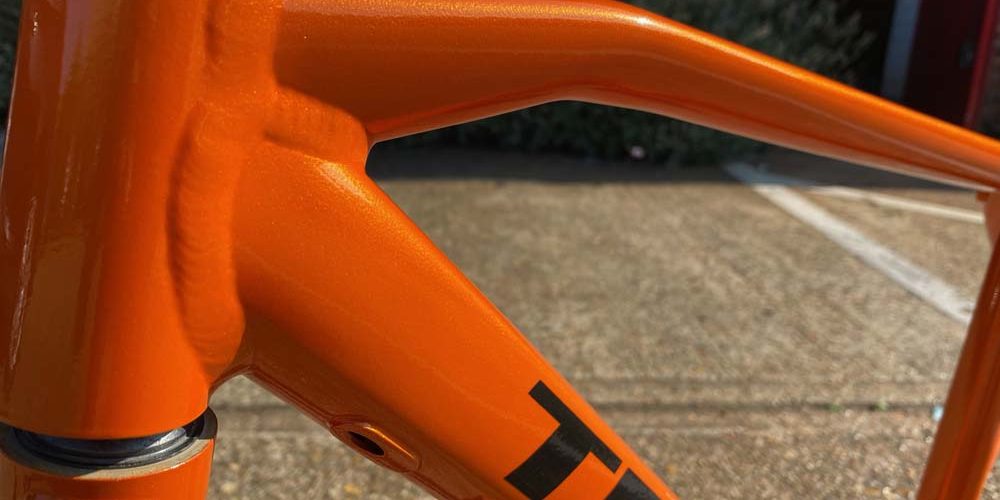
Powder coating is an excellent choice for finishing bicycles due to its durability, resistance to chipping and scratching, and the ability to create a wide range of colors and finishes. Here’s a general overview of how bicycles are powder coated:
1. **Preparation**: The bicycle frame and other components are thoroughly cleaned to remove any dirt, grease, or other contaminants. This step is crucial to ensure good adhesion of the powder coating.
2. **Surface Repair**: Any surface imperfections or damage, such as dents or scratches, may be repaired at this stage to ensure a smooth finish.
3. **Masking**: Certain areas of the bicycle, such as threads, bearing surfaces, or specific design elements, may need to be masked off to prevent the powder coating from adhering to them.
4. **Powder Coating Application**: The powder coating material is applied to the prepared surface of the bicycle using a spray gun. The powder is electrostatically charged, which causes it to adhere to the grounded metal surface of the bicycle frame and components.
5. **Curing**: Once the powder coating is applied, the bicycle parts are transferred to a curing oven. The curing process typically involves heating the parts to a specific temperature (usually around 350°F to 400°F or 177°C to 204°C) for a set amount of time (typically 10 to 30 minutes). During curing, the powder melts and fuses to form a durable, uniform coating.
6. **Cooling and Inspection**: After curing, the powder-coated bicycle parts are allowed to cool to room temperature. They are then inspected for any defects, imperfections, or areas that may need touch-up or rework.
7. **Assembly**: Once the powder coating is complete and inspected, the bicycle can be reassembled with its components, such as wheels, handlebars, drivetrain, and other accessories.
Powder coating is not limited to just the frame; various bicycle components such as handlebars, forks, rims, and even smaller parts like brake levers or pedals can also be powder coated to match or complement the overall design.
Overall, powder coating provides a durable and long-lasting finish that helps protect the bicycle from corrosion, UV damage, and everyday wear and tear, making it an excellent choice for both performance and aesthetic purposes.