
powder coating aluminum
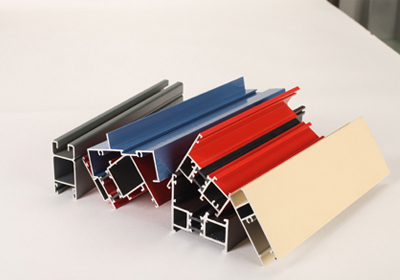
Powder coating aluminum is a widely used method for applying a durable and attractive finish to aluminum surfaces. Here’s an overview of the process:
1. **Surface Preparation**: Proper surface preparation is essential for achieving good adhesion and a quality finish. The aluminum surface must be thoroughly cleaned to remove any dirt, grease, oil, or other contaminants. This can be done through a combination of cleaning methods such as degreasing, chemical cleaning, and sometimes sandblasting to remove oxidation or surface imperfections.
2. **Pre-Treatment**: After cleaning, the aluminum surface may undergo pre-treatment to improve adhesion and corrosion resistance. Common pre-treatment methods include chromate conversion coating, phosphating, or using special etching primers designed for aluminum.
3. **Masking**: If there are any areas of the aluminum that should not be coated, such as threads or specific sections, they need to be masked off to prevent the powder coating from adhering to those areas.
4. **Powder Coating Application**: Once the aluminum is properly prepared, it’s ready for powder coating. The powder coating material is applied using a spray gun that electrostatically charges the powder particles. The charged particles are attracted to the grounded aluminum surface, resulting in a uniform and consistent coating. The aluminum parts are typically suspended on racks or hooks during the coating process to ensure complete coverage.
5. **Curing**: After the powder coating is applied, the aluminum parts are transferred to a curing oven. The curing process involves heating the parts to a specific temperature (typically around 350°F to 400°F or 177°C to 204°C) for a set amount of time (usually 10 to 30 minutes). During curing, the powder melts and flows to form a smooth, continuous coating on the aluminum surface.
6. **Cooling and Inspection**: Once the parts have been cured, they are allowed to cool to room temperature. After cooling, the powder-coated aluminum parts are inspected for any defects or imperfections in the coating. Any necessary touch-ups or repairs can be made at this stage.
7. **Packaging and Shipping**: Finally, the powder-coated aluminum parts are packaged and prepared for shipment to the customer or for further processing, depending on the specific requirements of the project.
Powder coating offers several advantages for aluminum surfaces, including excellent durability, corrosion resistance, and a wide range of color options. It’s commonly used in industries such as automotive, architecture, furniture, and electronics for applications where a durable and attractive finish is desired.